How to Choose the Best Food Packaging Boxes for Your Retail Business
Choosing the correct food packaging containers is essential for every retail business. The selection process encompasses numerous factors, including material choices, visual design, and environmental considerations. Every element plays a significant role in maintaining product integrity and attracting customers. Retailers must evaluate how these aspects align with their brand identity and customer expectations. Understanding these subtleties can make a difference in long-term success. What particular standards should retailers focus on to ensure the best packaging choices?
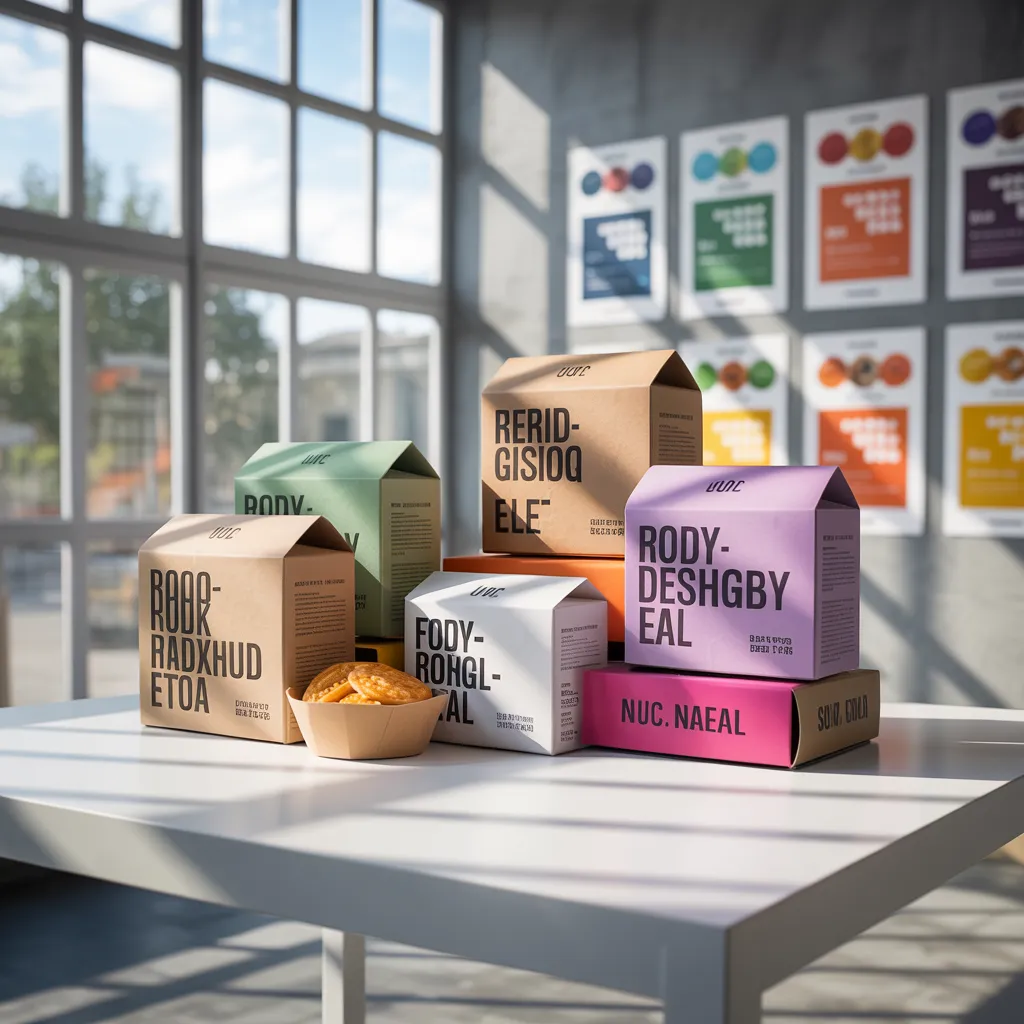
Why Food Packaging Is Essential for Retail Success
Food packaging serves an important role in the retail business landscape by shaping how consumers perceive products and make buying choices. Well-designed packaging acts as a wordless brand ambassador, delivering vital product information while building a compelling visual impression. It draws the eye amid busy retail displays and can differentiate a product from competitors.
In addition, packaging provides consumers assurance of product quality and safety, which is fundamental in the food industry. Clear labeling, eye-catching designs, and sustainable materials can enhance brand loyalty and encourage repeat purchases. In addition, thoughtful packaging can convey the brand's vision and message, creating a stronger connection with the consumer.
With the rise of e-commerce, packaging also plays an important role in guaranteeing products reach customers undamaged and copyright their overall presentation, influencing online reviews and customer satisfaction. Ultimately, strategic packaging plays a major role in driving sales and fostering long-term retail success.
Essential Materials for Food Packaging
Selecting the right materials for food packaging is crucial for maintaining product integrity and securing safety. Numerous materials serve distinct purposes, affecting both preservation and consumer experience. Commonly used options include paperboard, which provides durability and recyclability, positioning it as an eco-friendly choice. Plastic, particularly PET and HDPE, delivers excellent barrier properties, safeguarding food from moisture and contamination. Glass containers are preferred for their inert nature, maintaining flavor and eliminating chemical interactions.
Metal packaging, such as metal cans, proves excellent for maximizing shelf life, particularly for perishable items. Furthermore, compostable and biodegradable materials are gaining popularity, reinforcing sustainability goals. Every material's availability, cost, and compatibility with particular food categories needs to be thoroughly assessed. At the end of the day, choosing the appropriate packaging material not only protects food quality but also demonstrates a business's commitment to environmental responsibility and safety.
How to Create Packaging That Draws in Customers
Effective packaging design plays a pivotal role in drawing in customers and boosting brand recognition. To achieve this, organizations should prioritize several critical components. First, the choice of color is crucial; vibrant colors can evoke emotions and catch the eye, while more subdued tones can convey sophistication. Second, typography should be clear and legible, making certain that brand identities and product details can be quickly understood.
Integrating unique shapes or structures can also set a product apart on competitive store shelves, creating a memorable experience for shoppers. Moreover, graphics that communicate the product's standard or heritage can additionally attract buyers. Ultimately, weaving a storytelling component or brand message into the packaging builds a stronger bond with the intended audience, inspiring participation and customer commitment. By strategically uniting these features, organizations can craft packaging that simultaneously draws attention and solidifies their brand presence.
Green Practices in Food Packaging: Understanding Their Significance
As consumers increasingly prioritize environmental responsibility, the importance of sustainable practices in food packaging cannot be emphasized enough. Retail companies are acknowledging the necessity of adopting eco-friendly materials that help reduce waste and lower their carbon footprint. Sustainable packaging options, such as biodegradable, compostable, or recyclable materials, not only appeal to environmentally conscious consumers but also enhance brand reputation.
Integrating eco-friendly measures fosters honesty and accountability, allowing companies to resonate with the principles of their intended audience. Moreover, compliance requirements are shifting towards tighter ecological standards, rendering it necessary for companies to adopt sustainable packaging solutions.
Investing in sustainable practices can lead to long-term financial benefits, as businesses may minimize disposal costs and boost overall performance. Ultimately, integrating green solutions complete guide for food packaging is not just an ethical choice; it is a calculated decision that places businesses competitively in an growing environmentally conscious marketplace.
Striking the Perfect Balance Between Cost and Quality in Packaging
Within the retail food sector, striking a balance between cost and quality in packaging is vital to achieving success. Enterprises must thoughtfully consider material alternatives to ensure long-lasting durability while also considering cost-effective design strategies that attract consumers. This harmony can considerably affect both profitability and brand perception.
Examining Material Alternatives
Identifying the correct material for food storage boxes necessitates a detailed evaluation of both financial and quality factors. Several choices, such as plastic, cardboard, and biodegradable materials, offer individual benefits and limitations. Corrugated cardboard is commonly cost-effective and recyclable, establishing it as a widely preferred option among vendors. That said, its durability may sometimes not meet the demands of certain food products. Synthetic material offers outstanding moisture resistance and can prolong shelf life, but its environmental impact raises challenges. Sustainable materials, though typically more expensive, support green initiatives and resonate with sustainability-focused buyers. At the end of the day, the evaluation process should weigh these factors, confirming the chosen option protects the goods while also catering to financial limitations and brand identity.
Cost-Effective Design Strategies
Achieving a equilibrium between expenses and standards in the design of food packaging requires careful planning and innovative thinking. Retail businesses should consider using uniform packaging dimensions to lower manufacturing expenses while ensuring efficient use of materials. Utilizing clean yet visually appealing designs can enhance brand visibility without adding significant expenditure. Moreover, choosing flexible materials supports a variety of packaging needs, minimizing waste and maximizing resource utilization. Working with vendors to investigate bulk buying opportunities can help decrease overall costs. Lastly, integrating environmentally responsible methods, such as recyclable or biodegradable materials, not only attracts eco-aware customers but can also lead to long-term savings. By adopting these budget-friendly approaches, businesses can attain packaging solutions that satisfy quality standards without exceeding budgets.
Reviewing Packaging Alternatives: Important Questions to Examine
How can a retail business effectively choose the right food packaging boxes? Selecting the right packaging solution demands close attention to several critical factors. Initially, companies should determine if the material is well-suited for the particular type of food being enclosed. Does it meet food safety standards while also maintaining product freshness? Next, they must consider the design—does it align with the brand identity while also being functional for customers?
Cost is another vital factor. Will the business be able to preserve quality while keeping costs in check? Moreover, businesses should consider the packaging's sustainability. Are there eco-friendly options that reduce environmental impact?
Finally، storage and transportation logistics should not be overlooked. Is the packaging designed to withstand storage and transportation without being damaged? By evaluating these factors, retail businesses can make informed decisions that boost product appeal and secure customer contentment.
Frequently Asked Questions
What Are the Common Food Packaging Regulations I Should Know?
Standard food packaging regulations encompass compliance with safety standards, labeling guidelines, material safety, and environmental requirements. Furthermore, businesses are required to ensure that packaging prevents contamination and upholds product integrity throughout its shelf life.
How Should I Evaluate Packaging Durability for My Products?
To evaluate packaging durability, one should conduct moisture resistance evaluations, drop tests, and compression tests. Observing how packaging withstands various environmental conditions and handling will provide insights into its overall strength and reliability for product protection.
Can Packaging Be Customized for Seasonal Promotions?
Certainly, custom packaging is available for seasonal campaigns. Companies regularly develop special designs, colors, and finishes that correspond to the seasonal theme, elevating overall appeal while successfully delivering the promotional message to engage customers during special occasions.
What Are the Most Effective Best Practices for Packaging Food for Delivery?
Effective food packaging for delivery includes employing robust, insulated materials to retain temperature, ensuring leak-proof designs, and adding clear labeling for ingredients and handling guidelines. Moreover, environmentally conscious options boost customer appeal and ecological responsibility.
How Should I Deal With Packaging Waste in My Business?
To manage packaging waste successfully, businesses should introduce recycling systems, use eco-friendly materials, and encourage customers to return packaging. Regular audits can also reveal ways to reduce waste, cultivating a more environmentally responsible way of operating.